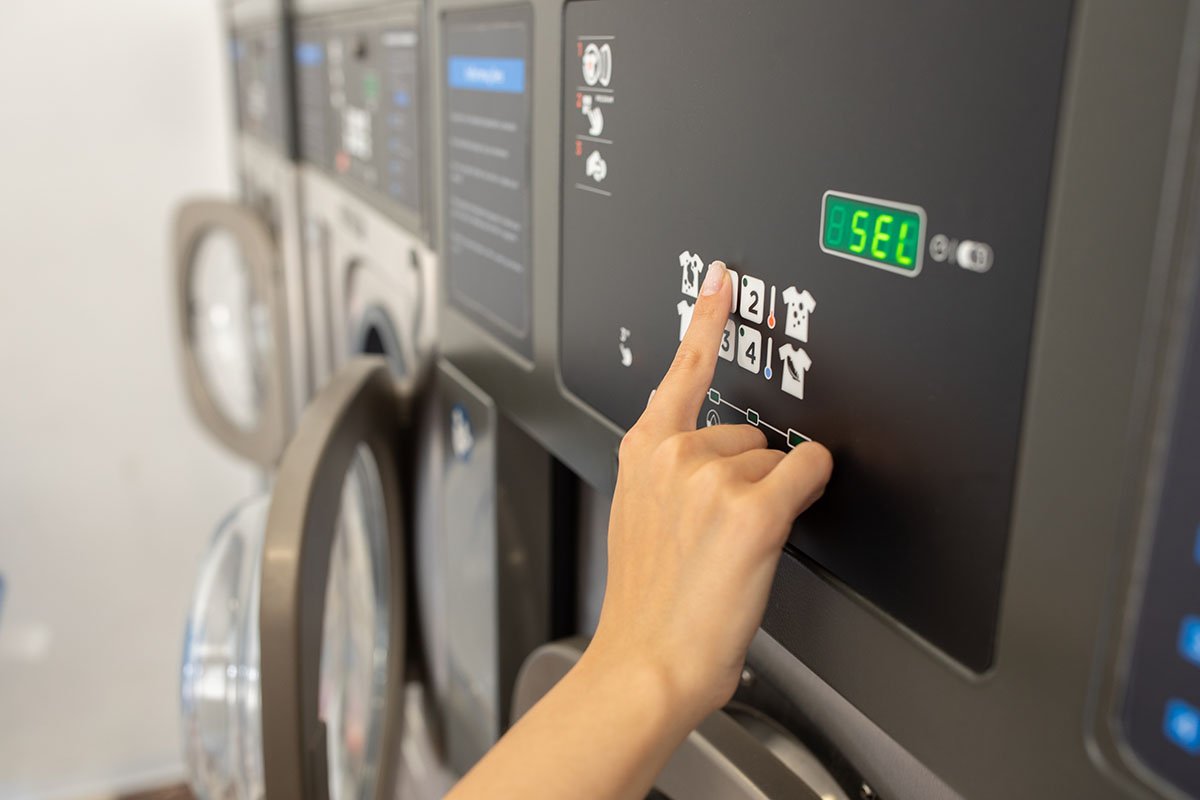
Campuses process huge volumes of textiles every week — dorm bedding, towels, athletic uniforms, lab coats, theatre costumes, and dining linens — and those loads directly affect student health, housing satisfaction, and operational budgets. Outsourcing linen care to a professional commercial laundry gives schools the capacity, compliance, and service-level consistency that in-house operations often struggle to deliver.
Campus scale and why it matters
U.S. postsecondary enrollment totals roughly 15–19 million students depending on how you count undergraduates and graduate enrollments, which translates into enormous laundry demand across residence halls, athletics, and campus services. When thousands of students share on-site machines, small problems — broken washers, peak-hour queues, or inconsistent detergent use — quickly become big pain points for housing operations and resident experience.
Student experience, retention and laundry quality
Laundry quality and reliability affect more than convenience: they influence student satisfaction and housing decisions. Recent student-survey data show laundry is a measurable driver of student perceptions of value for money; 12% of students said campus laundry was worse than expected, and that figure was higher (24%) among students who indicated they would not renew housing the following year. Reliable, fast linen turnaround improves day-to-day life for residents and reduces friction that can affect retention.
Health, sanitation and compliance
Schools must meet clear hygiene expectations in residence life, athletics, dining, and health centers. Commercial laundries routinely run validated thermal cycles, chemical dosing, and documentation that demonstrate sanitization — a level of record-keeping and repeatability many small on-campus operations cannot match without significant investment. Outsourcing reduces cross-contamination risk in high-use items (towels, workout mats, clinical linens) and simplifies audits or infection-control protocols.
Cost control: labor, equipment, and hidden capital expense
Running an on-premise laundry requires staff scheduling, equipment capital and maintenance, utilities, and waste-water management. Outsourcing converts fixed costs into predictable per-piece or per-pickup billing, removes the need for large capital outlays, and reduces expenses tied to repairs and machine downtime. For campus facilities managers, this shift improves budgeting accuracy and frees facilities staff to focus on core services.
Handling seasonal surges and special events
Academic calendars create predictable peaks: move-in/move-out weekends, athletic seasons, theatre run weeks, orientation, and large conferences. These spikes strain small laundry rooms and lead to delayed turnarounds. Commercial laundry services are built for scale and redundancy — they absorb surges with scheduled pick-ups, surge capacity, and logistics that prevent bottlenecks and keep campus programs on schedule. Industry case studies show campus laundry dissatisfaction rises when students face delays during peak times, and modern solutions reduce that friction.
Quality control, inventory management, and shrinkage reduction
Professional linen programs include inventory tracking, consistent stain-removal protocols, and replacement planning. That reduces premature loss and shrinkage — common issues at campuses where students and multiple departments share textiles. A partner that provides RFID or barcode tracking and scheduled audits lowers replacement frequency and the associated procurement headaches.
Sustainability and utility advantages
Large commercial laundry services can invest in water-recovery systems, high-efficiency washers, heat-recovery, and optimized chemical dosing to achieve lower water and energy use per item than many small in-house operations. For sustainability programs and campuses aiming to meet green benchmarks, partnering with a laundry that reports water, energy, and carbon metrics is a practical way to shrink environmental impact without major on-site capital projects.
Operational simplicity and student convenience
Outsourced solutions free housing and facilities staff from daily laundry management while often improving convenience for students: scheduled pickup/drop-off points, partnered locker systems, app-based scheduling, and prepaid plans. These services improve quality of life, reduce time students spend on chores, and help campus housing present a modern amenity to prospective residents.
When in-house might be appropriate (and hybrid models)
Some institutions — very remote campuses, medical centers with strict in-house sterilization needs, or universities with specific textile-processing requirements — may still justify on-site laundry. Hybrid models (in-house for sterile or specialty loads + outsourced for bulk dorm and dining textiles) combine the best of both approaches. A careful cost-benefit analysis should include labor, utilities, replacement rates, equipment amortization, and service-level risks.
How to evaluate a campus laundry partner
Look for: validated sanitization protocols and documentation, proven turnaround SLAs, flexible pricing (per pound, per room, or per pickup), proven logistics for seasonal surges, inventory-tracking options, sustainability metrics, insurance and compliance credentials, and campus references. A pilot program or short-term contract reduces risk and provides measurable ROI before a full transition.
Outsourcing laundry offers campuses an efficient, sanitary, and scalable way to manage bedding, uniforms, and dining linens. For many schools and universities, a trusted commercial laundry partner reduces costs, improves student experience, and provides the operational capacity needed for peak-season demands.