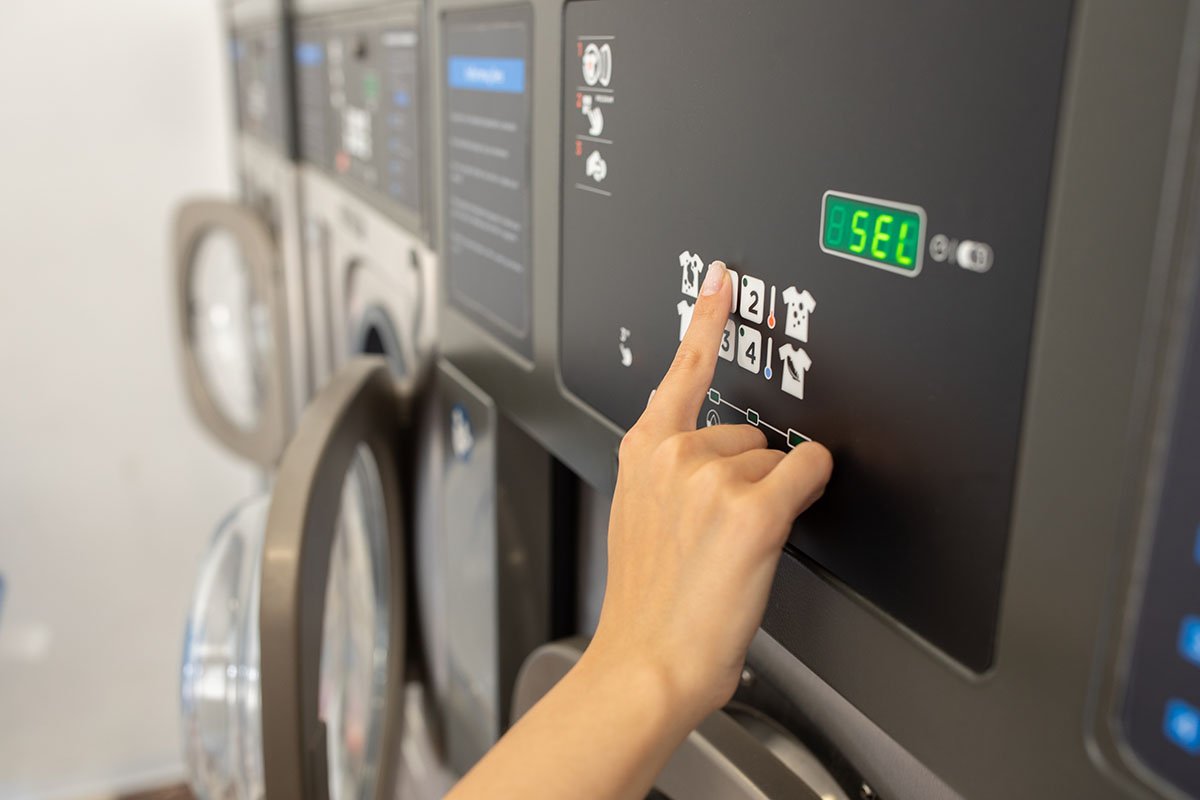
Sustainability is no longer a marketing buzzword – it’s an operational priority. For Los Angeles businesses in hospitality, fitness, healthcare, property management, and food service, laundry can quietly become one of the largest drivers of water and energy consumption. The good news? Commercial laundry providers are dramatically reducing environmental impact while helping businesses cut operating costs at the same time.
Why Laundry Has a Big Environmental Footprint
On-premise laundry systems are often inefficient. Older machines use excessive water per cycle, require longer dry times, and rely on outdated chemical dosing practices. Multiply that across hundreds of loads per week and the environmental impact grows quickly.
Water, electricity, natural gas, detergent runoff, and microfiber discharge all contribute to a business’s environmental footprint. When laundry is managed inefficiently, utilities spike – and sustainability goals fall short.
How Commercial Laundry Providers Reduce Water Use
Modern commercial systems are engineered for efficiency. High-capacity, high-extraction washers use significantly less water per pound of linen than residential or small in-house machines. Advanced programmable controls adjust water levels based on load size, fabric type, and soil level – eliminating unnecessary overfilling.
Some facilities incorporate water reclamation systems that filter and reuse rinse water for pre-wash cycles. This reduces fresh water intake while maintaining sanitation standards.
The result: Lower water consumption per load and improved consistency.
Energy Efficiency Through Smart Engineering
Energy savings happen in multiple ways:
- High-speed extraction removes more water during spin cycles, reducing dryer time.
- Gas-efficient dryers and heat recovery systems capture and reuse hot air.
- Optimized routing reduces transportation emissions.
- Batch processing maximizes machine capacity and reduces idle energy use.
By consolidating laundry into an industrial-scale operation, commercial providers eliminate the inefficiencies of dozens of small washers running independently.
Optimized Chemistry Means Cleaner with Less
Modern detergent systems use precision dosing technology. Instead of overpouring chemicals, automated injection systems deliver exact measurements based on soil load and fabric type.
Benefits include:
- Reduced chemical waste
- Less wastewater contamination
- Longer linen lifespan
- Lower rewash rates
This precision protects both fabrics and the environment.
Lower Environmental Impact = Lower Operating Costs
Sustainability and profitability are not mutually exclusive. Reduced water usage means lower utility bills. Faster drying means lower gas consumption. Proper chemistry extends textile life, reducing replacement costs.
For gyms, spas, hotels, and medical offices, outsourcing laundry to a sustainable commercial provider often costs less than running in-house systems – especially when hidden labor and maintenance expenses are considered.
Sustainability as a Brand Advantage
Today’s consumers care about environmental responsibility. Businesses that partner with eco-conscious vendors strengthen their brand positioning and meet ESG expectations.
Commercial laundry providers that invest in water efficiency, energy reduction, and responsible chemistry become an extension of their clients’ sustainability commitments.