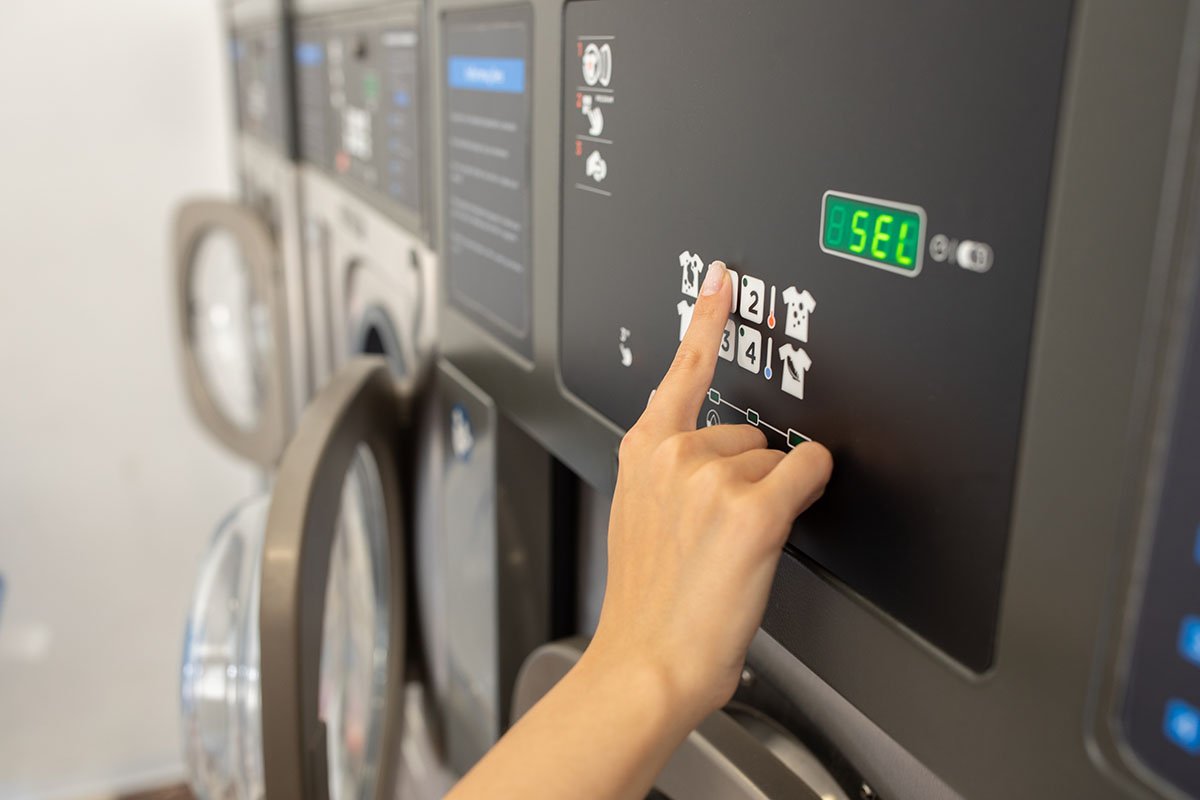
The cost of doing laundry in-house
Running an on-premise laundry is more than a washer and dryer — it’s staffing, utilities, equipment depreciation, chemicals, storage, and linen replacement. Industry estimates show a typical 150-room hotel spends roughly $200 per day (≈ $75,000/year) on laundry operations; about 25% of that total can be linen replacement if stains and wear aren’t controlled.
Labor is the largest ongoing expense
Labor frequently represents the single biggest line item in laundry costs — in some analyses it’s roughly half of a hotel’s laundry operating budget — and rising minimum wages and benefits only increase that burden. Outsourcing converts that fixed labor cost into a variable, per-piece expense so payroll and HR headaches shrink overnight.
Reduced linen replacement and shrinkage
Hotels that outsource to a commercial laundry service such as LaundryPro benefit from industrial-grade stain removal, textile-friendly processes, and strict inventory management, all of which lower premature linen loss. Experts estimate hotels can lose up to 20% of inventory prematurely; a professional linen program with tracking and certified cleaning protocols materially reduces that loss and the replacement dollars that follow.
Predictable, pay-as-you-go pricing improves forecasting
Moving from a capital-intensive in-house model to an outsourced model turns unpredictable costs (equipment failures, sudden surges in linen replacement, overtime) into predictable per-unit pricing. For owners and revenue managers this means better budgeting per occupied room and fewer surprise capital projects. Many linen partners offer scalable contracts (per room, per pound, or per pick-up) that align costs to occupancy.
Faster turnaround, better guest experience
Commercial laundries operate with higher throughput and redundancy — they’re designed to handle bulk loads, peak season surges, and rapid turnarounds. That translates to fewer out-of-service rooms waiting on linens and more consistent towel and sheet quality, which directly impacts guest satisfaction and online reviews.
Compliance, documentation, and infection control
For healthcare-adjacent properties or those with high cleanliness standards, outsourced laundries can provide validated thermal processes, documentation, and traceability that many in-house operations struggle to match. Having documented wash cycles and sanitation records protects hotels in audits and helps maintain public-health confidence.
Operational space and capital saved
Equipment, ventilation, wastewater hookups, and storage take valuable square footage. New hotels increasingly design properties without dedicated laundry rooms because outsourcing eliminates the need for that built-in space — and that means more rentable rooms or usable back-of-house area. Outsourcing avoids large capex purchases and ongoing maintenance contracts.
Sustainability and utility savings
Large commercial laundries optimize water use, heat recovery, and chemical dosing at scale, producing lower water and energy intensity per item cleaned than many small in-house operations. Partnering with a laundry that invests in water-saving tech and modern machines reduces a hotel’s environmental footprint and often lowers utility charges reflected in total cost of ownership.
When in-house still makes sense
There are circumstances where on-premise or hybrid models are justified: very remote properties, specialty textiles that require proprietary handling, or hotels with very large volumes where an internal OPL has been optimized and financed correctly. But for many mid-size and urban hotels, the math favors outsourcing once you account for labor, utilities, shrinkage, and capex. Case studies show outsourcing adoption is higher in markets where space is at a premium and labor costs are high.
How to evaluate a commercial laundry partner
Look for documented KPIs and service features: guaranteed turnaround times, stain-removal guarantees, linen tracking, proof of COA/testing for sanitization (if required), insurance, flexible contract models (per occupied room or per pound), pickup/delivery logistics, and references in hospitality. A good provider will share ROI modeling and help you pilot a transition with minimal operational risk.
Quick ROI example
Using conservative industry benchmarks, a 150-room property spending $75,000/year on laundry (including linen replacement) that cuts 25% of that spend through outsourcing and reduction in linen replacement and labor can free up tens of thousands in annual operating margin — funds that can be reinvested in guest experience or marketing.
Outsourcing linen care is not just a cost decision — it’s a strategy to protect brand reputation, stabilize operating budgets, reduce capital exposure, and improve sustainability metrics. For many hotels, a reputable commercial laundry partner delivers measurable savings while elevating the guest experience.